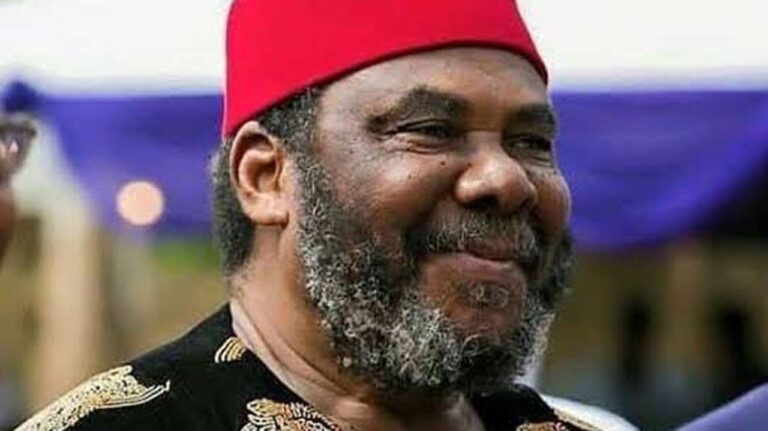
Veteran Nollywood actor Pete Edochie has shed light on why Igbo individuals face steep challenges in Nigerian politics. Speaking on Afia TV and BBC Igbo, he pointed to cultural and strategic barriers undermining Igbo political progress.
Edochie emphasized that Igbo people are not wired to tolerate treachery repeatedly, which clashes with the nature of Nigerian politics. He stated:
“An Igbo man is not a good politician… the Igbo man is not constituted to condone treachery a second time… If you hurt the Igbo man once in politics, he will never give you an opportunity to hurt him again. He will recoil.”
This tendency, he argues, leads to severed alliances at critical political moments—limiting the ability to maneuver complex networks and long-term coalition building.
Root Causes of Political Marginalisation
In separate remarks on a BBC Igbo programme, Edochie traced the Igbo’s political absence to both historical exclusion and internal strategic missteps:
– Igbos have not produced an elected president since Nigeria’s independence—aside from the short-lived military rule of Aguiyi Ironsi in the late 1960s.
– Despite early prominence of Igbo individuals in business, literature, and the arts, the Igbo political voice remains absent at the highest level.
– Edochie acknowledged that dominance of northern and southwestern elites, combined with lingering fears associated with secessionist discourse, have fed ongoing exclusion.
Edochie stressed that Igbo political aspirants often lack mastery in public relations and compromise:
“Igbos don’t understand the PR in politics… If we want the presidency so bad, there are factions whose support we can seek… We have to get other ethnicities involved… We need to reassure them we mean no harm.”
His advice suggests forging inclusive alliances, offering roles and policies that reassure other groups, rather than contesting in isolation.
Broader Conversation
– Critics argue that the Igbo struggle is also fueled by historical wounds—such as the 1966 pogrom and marginalising post-war policies—which have undermined trust and political cohesion.
– Observers note that political success in Nigeria requires compromise, pragmatism, and a willingness to operate beyond ethnic identity.