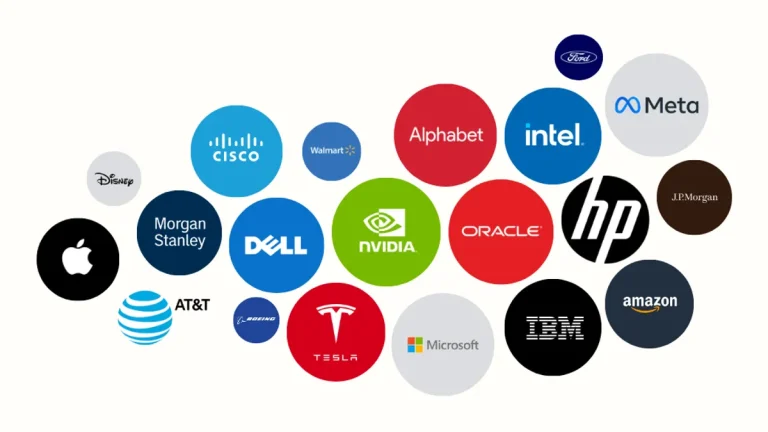
As we progress through 2024, artificial intelligence (AI) is revolutionizing industries at an unprecedented speed. Organizations across various sectors are increasingly harnessing AI to foster innovation and drive growth. While tech giants like Nvidia, Microsoft, and Alphabet continue to lead the AI landscape, a remarkable shift is taking place. Non-tech firms are stepping into the limelight, redefining the role of AI in business. Financial institutions, retailers, and entertainment companies are proving that AI is no longer solely the domain of Silicon Valley.
### AI Leaders Beyond Tech
AI has long been associated with technology companies, with recent assessments naming Oracle and Microsoft as key players, while Nvidia’s pivotal role in AI innovation solidifies its leadership. Nvidia’s strategic partnerships and broad industry influence have made it an essential player in the field. In contrast, Oracle distinguishes itself through its commitment to ethical AI, addressing critical issues such as bias and data privacy.
However, the emergence of non-traditional AI players is particularly noteworthy. Companies like Walmart, Morgan Stanley, and Tesla are demonstrating that AI is a business imperative, not just a tech phenomenon. These organizations are showcasing AI’s transformative potential by enhancing customer experiences and streamlining supply chain operations. For instance, Walmart is revolutionizing logistics and improving customer service through AI-powered interactive shopping assistants and virtual try-on features. The company is also expanding drone delivery services, sparking important discussions about the balance between innovation and ethical considerations, especially concerning employee monitoring. Critics have labeled Walmart’s reported use of AI to track employee sentiment on platforms like Slack as a form of “corporate authoritarianism.”
Additionally, companies that engage transparently with stakeholders about their AI initiatives often enjoy stronger consumer sentiment. It is crucial for organizations to ensure their messaging around data protection is honest and balanced. However, transparency comes with its own challenges. Tech giants like Oracle, Microsoft, and Alphabet have faced scrutiny regarding their AI practices. Disney, for instance, faced significant public backlash for excluding shareholder votes on AI usage, highlighting the importance of managing employee expectations. CEO Bob Iger’s comments about an overreliance on generative AI raised concerns that it could stifle artistic creativity and lead to job losses.
In summary, non-tech companies are redefining AI leadership and demonstrating its critical importance across various industries. As they navigate the complexities of AI implementation, the focus on ethical practices, transparency, and stakeholder engagement will be vital for building trust and ensuring sustainable growth.
**Ethical AI: A Strategic Imperative**
In today’s marketplace, ethical AI has become a vital differentiator. Companies like Oracle and Intel are emerging as leaders in this arena, prioritizing transparency and strong ethical safeguards. Oracle, in particular, has cultivated a positive reputation by keeping stakeholders informed about its efforts to mitigate bias and protect data. The company’s strong ethical perception is further bolstered by public commitments to accountability, such as CEO Chuck Robbins signing the Vatican AI ethics pledge and promoting thoughtful governance.
As skepticism towards technology grows, implementing ethical AI practices is essential for maintaining trust and ensuring long-term business success. According to the recently published Storyful AI Index, 70 percent of ranked companies actively communicate their AI initiatives on social media. However, this transparency is a double-edged sword; while it helps brands build credibility, it also invites scrutiny, as seen with Oracle and Alphabet, which have faced criticism over their data governance practices.
### Strategic Partnerships and Market Perception
Collaborative partnerships are crucial for advancing AI innovation. Nvidia’s alliances with companies like HP and IBM have significantly enhanced their AI profiles, showcasing the “halo effect” that comes from aligning with AI leaders. However, such partnerships are not without risk, as evidenced by Meta’s ongoing challenges with privacy concerns.
### Conclusion
AI presents extraordinary opportunities across various industries but also raises critical questions regarding ethics and public trust. Companies like Nvidia, Oracle, and Walmart exemplify how to leverage AI for growth while proactively addressing issues of transparency and ethics. As AI continues to evolve rapidly, organizations must find a balance between innovation and responsible practices, supported by a well-defined communication strategy rooted in stakeholder and industry insights.