On a sunny Wednesday, 65-year-old Ewenla Adetomiwa, who is blind, was stopped from jumping into the lagoon along the Third Mainland Bridge. Adetomiwa, a father of two, cited financial strain as the reason for his drastic action.
In contrast, Mama Dada, a middle-aged woman, tragically ended her life last year by setting herself on fire over a ₦70,000 debt. The incident, which also destroyed her home in Oke-Keesi, Itoko, Abeokuta, occurred after she sent her youngest child to buy fuel for the act.
Recently, Oluwaseun Shorinola, a 32-year-old, also succumbed to suicide amid economic hardships. His lifeless body was discovered by his wife, hanging in their Kemta area home in Abeokuta.
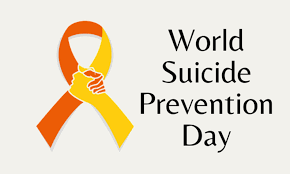
These cases underscore the significance of World Suicide Prevention Day, observed on September 10, 2024. Organized by the International Association for Suicide Prevention (IASP) and the World Health Organization (WHO), this year’s theme is “Changing the Narrative on Suicide” with a call to “Start the Conversation.”
**Global and Regional Suicide Rates**
Suicide affects individuals regardless of race or geography. According to a 2021 WHO survey, over 720,000 people die by suicide annually worldwide, equating to one person every 40 seconds. In Africa, Nigeria ranks 13th in suicide mortality rates, with males at 9.9 per 100,000 and females at 9.2 per 100,000.
**Expert Insights on Suicide Prevention**
Mrs. Damilola Onebamhoin, a counseling psychologist based in Ogun State, explains that the absence of a support system is a significant factor driving people to contemplate suicide. Known as Coach D, she emphasizes that suicidal thoughts develop over time and advises individuals to surround themselves with supportive and understanding people.
Onebamhoin elaborates on the cycle of suicide, depression, isolation, and mental health. She notes that economic hardships can exacerbate these issues, leading individuals to seek solace in alcohol and drug abuse. “Suicidal thoughts thrive in isolation,” she states. “When people feel less of themselves, it often connects their self-esteem and achievements to their mental health.”
**Societal Pressures and Their Impact**
Coach D also highlights societal pressures, such as expectations to marry or achieve certain milestones by specific ages, as contributing to mental health struggles. “Mid-life crises and societal expectations can lead to self-stigmatization and feelings of inadequacy,” she explains.
**Call for Government Action**
To address these issues, Onebamhoin urges governments to establish free counseling services accessible to all, regardless of financial status. She advocates for creating anonymous support lines, similar to those in advanced countries, to help individuals in crisis without the fear of judgment.
“Every conversation helps foster empathy, reduce barriers, and create a supportive environment,” Onebamhoin concludes. “Surround yourself with positive influences, avoid fixating on problems, and work to elevate yourself above your flaws.”
In light of these insights, it’s crucial to enhance support systems and open dialogues around mental health to prevent suicides and support those in need.